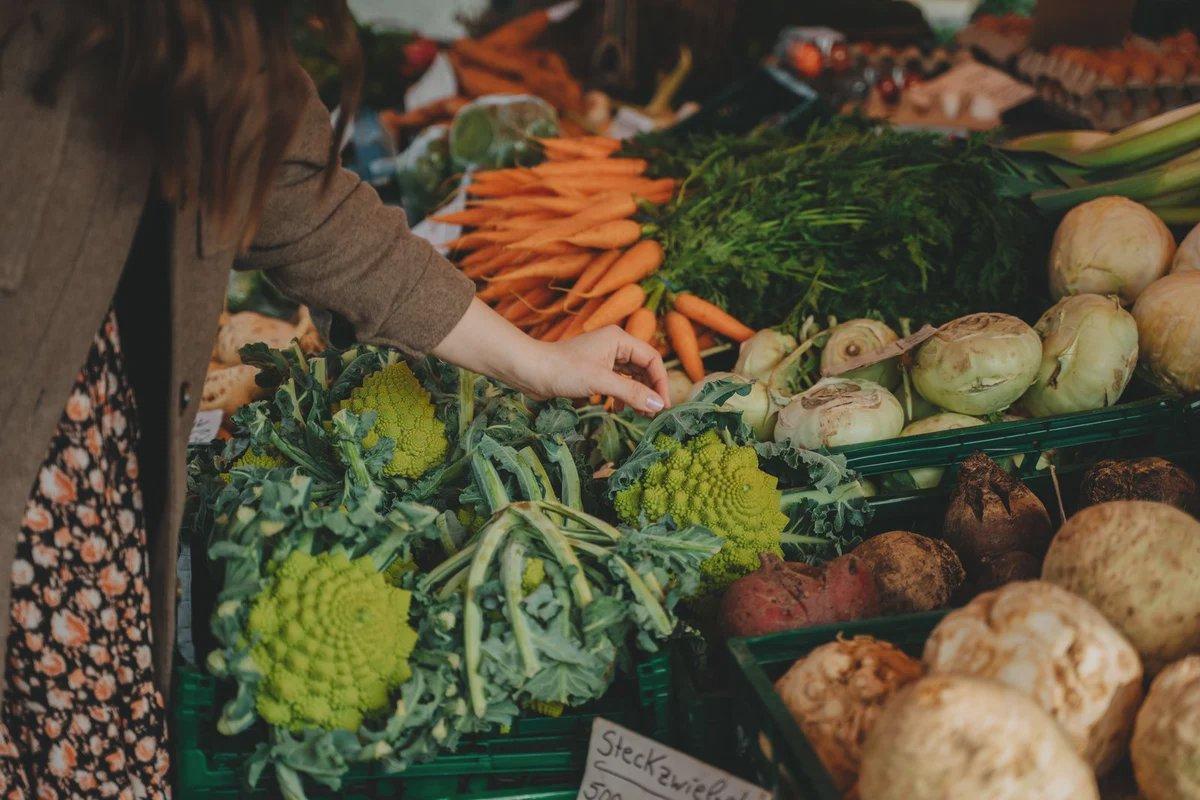
A flexible weekly meal plan is a simple framework—part grocery list, part prep ritual, part mix-and-match meal ideas—that helps you respond to hunger and fullness without strict rules. Planning a few anchors for the week can make it easier to include foods that help you feel satisfied, while leaving room for changes in your schedule and appetite [9, 10]. Approaches that emphasize awareness of hunger and satiety, such as mindful or intuitive eating, can support internal cues alongside practical planning [1, 4, 8]. Building meals around a variety of vegetables, fruits, whole grains, and protein foods is a practical way to support overall eating quality during weight-management care [2, 5, 9, 10].
Why a flexible weekly plan can support hunger and fullness
A flexible plan gives structure without rigidity. Research on mindful and intuitive eating suggests these approaches can improve eating-related behaviors and awareness of internal cues, which may help some people match portions to comfort over time [1, 4, 8]. At the same time, large default portions tend to increase how much people eat on average, so being intentional about portion cues—such as serving a comfortable first portion and pausing to check fullness—can be useful for many adults [7, 11]. Choosing meals that include protein and dietary fiber often supports satiety and can reduce the likelihood of feeling hungry again soon after eating [2, 3, 5].
Build your weekly framework: grocery list basics
Think in broad food groups and pick a few options from each. This keeps your cart versatile and your meals satisfying. Health agencies recommend patterns that emphasize vegetables, fruits, whole grains, lean or plant-based proteins, and healthy fats; planning ahead and shopping with a list can make these choices easier during busy weeks [2, 5, 9, 10]. Use the categories below to sketch a list that fits your tastes, culture, and budget.
- Protein options: chicken thighs or breasts, canned tuna or salmon, eggs, tofu or tempeh, beans and lentils, plain Greek yogurt, cottage cheese, edamame, shelled nuts or nut butter [2, 5, 10].
- Fiber-rich carbohydrate options: brown rice, quinoa, oats, whole-grain bread or tortillas, potatoes or sweet potatoes, beans and lentils, fruit, and higher-fiber pasta choices [2, 5, 9].
- Vegetables and fruits: a mix of fresh, frozen, and canned (look for lower-sodium vegetables and fruit packed in water or its own juice) to cover quick sides and grab-and-go snacks [5, 9, 10].
- Flavor and fat: olive or canola oil, avocado, olives, tahini, salsa, herbs and spices, citrus, vinegars, low-sodium broths, mustard, chili crisp or hot sauce; these make simple ingredients feel different across the week [5, 9].
- Quick breakfast and snack helpers: high-fiber cold cereal, oats, whole-grain English muffins, fruit, yogurt, cheese sticks, hummus, roasted chickpeas [5, 9, 10].
Label-reading essentials for a smarter cart
When comparing packaged options, the Nutrition Facts label can help you pick items that align with your plan. Check the serving size at the top, since all numbers on the label are based on it; servings can differ across brands [6]. Calories per serving and the Percent Daily Value show how a serving contributes to a typical day; as a rule of thumb, 5% Daily Value or less is considered low and 20% or more is considered high for a nutrient [6]. Prioritizing higher fiber can support fullness, and checking added sugars and fiber on the label can support overall dietary quality for many adults [6, 2, 5].
Mix-and-match meals: a simple template you can repeat
Use this flexible pattern to build meals throughout the week. Adjust portions to your hunger, appetite, and schedule; you can add more if you are still hungry after a short pause. Protein at meals and fiber from vegetables, fruits, beans, and whole grains often support satiety and help meals feel sustaining [2, 3, 5].
- Pick 1 protein anchor.
- Add 1 fiber-rich carbohydrate or starchy vegetable if desired.
- Fill in with 1–2 non-starchy vegetables or fruit.
- Include a flavor and fat component for satisfaction.
- Add a side or snack later if hunger returns.
Everyday examples that travel well from fridge to lunchbox
Breakfast ideas: • Greek yogurt + berries + a spoon of chopped nuts; toast on the side if desired. • Oats cooked with milk or a plant beverage + peanut butter + banana slices. • Eggs or tofu scramble + leftover potatoes + peppers and spinach. Lunch or dinner ideas: • Rotisserie-style chicken or baked tofu + microwave-steamed green beans + quinoa; drizzle with olive oil, lemon, and herbs. • Lentils simmered with tomato and spices + brown rice + cucumber-tomato salad. • Tuna or chickpea salad on whole-grain toast + carrot sticks + apple. • Sheet-pan mix: shrimp or tempeh + broccoli + sweet potato wedges; finish with tahini-lemon sauce. Snack ideas if hunger returns: fruit and cheese, hummus and vegetables, roasted chickpeas, trail mix, or yogurt. Choose portions that match appetite and comfort, pausing to notice how fullness changes as you eat [1, 2, 5, 8].
Light prep that pays off on busy North Georgia days
Short, simple prep sessions often go further than an all-day marathon. Planning a few meals, cooking once for multiple meals, and keeping convenient, ready-to-eat items on hand can make weekday choices easier [9, 10]. Examples: cook a pot of whole grains; roast a tray of mixed vegetables; wash and portion fruit; boil a half-dozen eggs; thaw frozen vegetables or proteins overnight; make a quick dressing or sauce to change flavors midweek.
Portion awareness without strict rules
You do not need rigid serving targets to benefit from portion awareness. Studies show that larger served portions can increase average daily energy intake; choosing default portions that match your appetite and checking in with fullness can help align eating with comfort [7, 11]. Practical ideas include plating a comfortable first serving and pausing partway through to reassess hunger—then deciding whether to continue or save the rest for later [1, 7, 11].
A practical meal-planning checklist for the week
- Sketch 3–5 anchor meals you can repeat or remix; leave open slots for spontaneous meals or leftovers [10].
- Make a grocery list by category: protein, fiber-rich carbs, vegetables and fruits, flavor and fat, quick snacks [2, 5, 9].
- Check your calendar for travel, late meetings, or kids’ activities; match simpler meals to busier days [10].
- Plan at least one no-cook or 10-minute option (for example, rotisserie chicken or tofu, bagged salad, whole-grain bread, fruit) [9, 10].
- Use the Nutrition Facts label to compare similar items for fiber and added sugars; remember to note the serving size [6].
- Batch-prep 1–2 components (such as grains or vegetables) and a sauce to speed assembly meals [9, 10].
- Keep ready-to-eat items prepped for quick access during the week [9, 10].
- After meals, pause and note fullness; use that information to adjust future portions, not to judge yourself [1, 8].
Questions to bring to your clinic nutrition visit
Preparing a few questions can make your visit more productive. Patients in North Georgia—Acworth, Kennesaw, Marietta, and Cartersville—often want to personalize their flexible weekly meal plan to their routines and preferences. Consider asking:
- How can we tailor a flexible weekly meal plan to my schedule, cooking style, and cultural foods while aligning with hunger and fullness cues? [1, 8].
- Which protein and fiber sources tend to keep me satisfied, based on my preferences and any medical considerations you’re monitoring? [2, 3, 5].
- What label details should I prioritize for my goals when comparing similar products (for example, fiber and added sugars)? [6].
- What are two or three quick meals I can assemble on the busiest nights, and which backup shelf-stable options do you recommend I keep on hand? [9, 10].
- If a portion leaves me still hungry shortly after a meal, how might I troubleshoot without adding strict rules? [1, 7, 11].
- Are there budget-friendly swaps that keep the plan satisfying—for example, using more beans and lentils or frozen produce? [5, 9].
- How should we monitor satiety, energy levels, and meal satisfaction over the next few weeks to refine the plan together? [1, 10].
Limitations and what to monitor together
No single meal-planning approach works the same way for everyone, and appetite can vary day to day. Evidence for mindful and intuitive eating shows benefits for eating behaviors and some health-related measures, but studies differ in design and outcomes, so individual experiences vary [1, 8]. Research consistently links larger default portions to higher average intake, yet real-life effects still depend on context, preferences, and access to foods you enjoy [7, 11]. The Nutrition Facts label provides population-based guidance; Percent Daily Values are general benchmarks and may not represent individual needs [6]. Flexible planning helps many adults, but changes in health status, work shifts, caregiving, or training schedules can all influence hunger, fullness, and meal timing; those are good reasons to revisit the plan with your clinician over time [10].
How we personalize this at Dr. Martin’s Weight Loss
During physician-supervised visits at Dr. Martin’s Weight Loss in Acworth, GA, the team can discuss your preferences, schedule, and grocery access to personalize a flexible weekly meal plan you can sustain [12]. If medications are part of your care, any changes are clinician-led; bring questions about how to align meals with your overall plan, and do not start, stop, or change prescribed treatment without the prescribing clinician [10].
FAQs
How many meals should I plan each day to support fullness?
There is no one right number. Some adults feel best with three meals, while others prefer meals plus a planned snack; the key is noticing hunger and fullness and using balanced components—especially protein and fiber—to support satiety [1, 2, 3, 5].
Do I need to prep the entire week on Sunday?
Not necessarily. Many people find that two or three short prep windows—like cooking a grain, roasting vegetables, and washing fruit—provide most of the benefit without taking over the weekend. Planning ahead and cooking at home more often can make it easier to choose nutrient-dense foods during the week [9, 10].
What should I check on the Nutrition Facts label when I’m comparing options?
Start with the serving size, calories, and Percent Daily Value. For many people, higher fiber and lower added sugars are helpful when comparing similar foods; as a guide, 5% Daily Value or less is low and 20% or more is high for a nutrient [6].
Are smaller plates or portions actually helpful?
Studies show that larger served portions can increase average daily intake; some people find that using smaller default portions or plating a comfortable first serving helps align eating with fullness. Try what feels sustainable for you [7, 11].
Sources
- Intuitive and mindful eating to improve physiological health parameters: a short narrative review of intervention studies - PMC
- Eating & Physical Activity to Lose or Maintain Weight - NIDDK
- Effect of short- and long-term protein consumption on appetite and appetite-regulating gastrointestinal hormones, a systematic review and meta-analysis of randomized controlled trials - PubMed
- Intuitive and mindful eating to improve physiological health parameters: a short narrative review of intervention studies - PubMed
- Tips for Healthy Eating for a Healthy Weight | Healthy Weight and Growth | CDC
- How to Understand and Use the Nutrition Facts Label | FDA
- Downsizing food: a systematic review and meta-analysis examining the effect of reducing served food portion sizes on daily energy intake and body weight - PMC
- Outcomes of intuitive eating interventions: a systematic review and meta-analysis - PubMed
- Healthy Eating Tips | Nutrition | CDC
- Healthy Eating & Physical Activity for Life - NIDDK
- Portion Size and Energy Intake: A Systematic Review - NCBI Bookshelf
- Medical Weight Loss in Acworth, GA | Dr. Martin's Weight Loss
When to Talk With a Clinician
Contact Dr. Martin's Weight Loss in Acworth, Georgia or online to discuss your goals, health history, and appropriate options with a qualified clinician.
Medical disclaimer: This article is for general education and is not a diagnosis or a substitute for individualized medical advice. Medication eligibility, risks, monitoring, and results vary; consult a qualified healthcare professional.