Date: 2026-10-02. Travel weeks can be enjoyable, busy, and unpredictable. Eating well while traveling does not require strict rules. It benefits from a simple plan that honors hunger and fullness cues, plus a few flexible movement ideas that fit real schedules. This guide collects practical, evidence‑informed strategies for airports, hotels, and restaurants, along with personalization questions you can bring to a nutrition visit at Dr. Martin’s Weight Loss in North Georgia — Acworth, Kennesaw, Marietta, and Cartersville.
Why travel weeks can feel different for appetite and choices
Schedules, food environments, and routines shift on the road. Some research in adults with overweight or obesity has observed higher energy intake when eating away from home, influenced by factors such as portion sizes and menu offerings [1]. A useful anchor is dietary energy density — the amount of energy per gram of food [9]. Meals that include more water‑rich vegetables, fruits, and broth‑based dishes generally have lower energy density; pairing them with proteins can support fullness without strict rules [6, 7, 9]. These are population‑level tendencies, not rules for any one person; your own cues are the guide.
A simple travel plate you can build almost anywhere
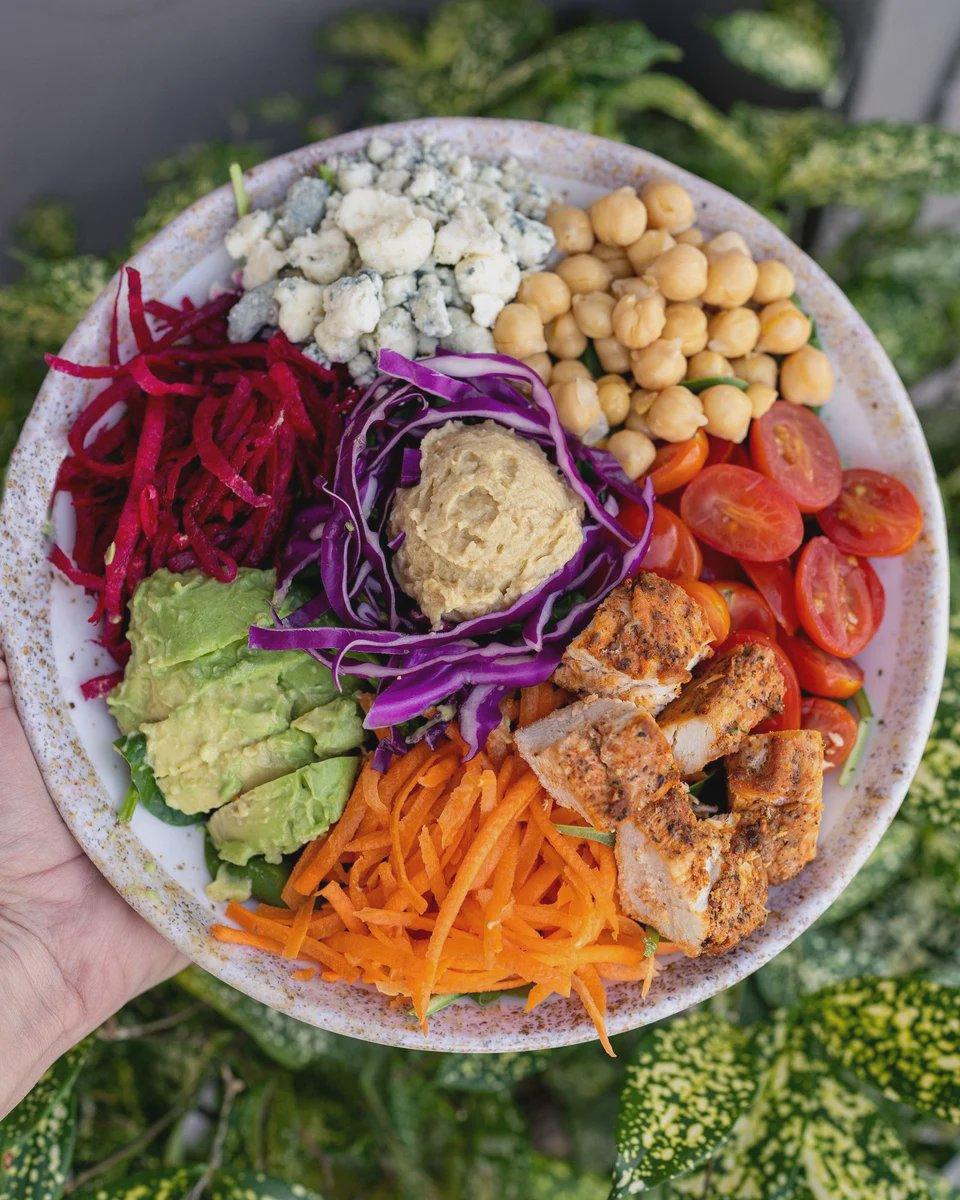
A flexible template travels well: include a source of protein, a generous portion of vegetables or fruit, a fiber‑rich carbohydrate if desired, and a flavorful element like sauces or dressings you enjoy. Building meals this way can help with satisfaction while keeping variety and enjoyment front and center [2, 3]. Combining lower energy‑density foods with proteins is one evidence‑informed way to support fullness without relying on strict rules [6, 9].
Airport food choices: scan and assemble
Airports often provide mix‑and‑match components. Aim to scan for produce, proteins, and grains you can assemble into a satisfying meal. Look for salad bars, quick‑serve bowls, deli counters, or convenience coolers with pre‑packaged items. Choosing water or unsweetened beverages is a practical way to keep added sugars lower if that aligns with your preferences [2]. Including fruits and vegetables where available adds color, texture, and fiber [3].
- Salad kit plus grilled chicken or baked tofu; add nuts or seeds and a vinaigrette [2, 3].
- Deli sandwich on whole‑grain bread with turkey, tuna, or hummus; add a side of cut vegetables or fruit [2, 3].
- Grain bowl with brown rice or quinoa, beans or legumes, mixed vegetables, and a yogurt‑based or tomato‑based sauce [2, 3, 6].
- Breakfast all day: plain Greek yogurt with fruit and a packaged nut mix; or oatmeal cup topped with nuts and berries [2, 3].
Hotel breakfast planning: flexible starts
Hotel breakfasts range from continental to full buffets. You can create many satisfying combinations by pairing a protein with produce and a grain you enjoy. If options are limited, consider keeping simple add‑ons in your bag, such as a piece of fruit or a small nut packet, to round out the plate [2, 3].
- Veggie omelet or scrambled eggs with salsa; side of fruit; whole‑grain toast if desired [2, 3].
- Whole‑grain toast or oatmeal topped with peanut butter and banana; add a hard‑boiled egg or yogurt if available [2, 3].
- Cottage cheese or yogurt parfait layered with berries and a sprinkle of granola; add extra fruit or a side salad if offered [2, 3].
Restaurant menu planning: satisfied, not strict
Many menus make it possible to combine vegetables, proteins, and grains into a meal you enjoy. Soups, salads, roasted or grilled entrées, and vegetable sides are common avenues to incorporate lower energy‑density components, which can help meals feel filling on average [6, 9]. Adding fruit or vegetable sides aligns with national guidance to make produce a regular part of meals and snacks [2, 3].
- Ask which vegetables are in season and pair them with a grilled or roasted entrée; add a starch you enjoy [2, 3, 6].
- Choose broth‑based soups or salads as a starter to add volume and variety [6, 9].
- If portions are large, consider sharing or saving part of the entrée based on your fullness cues.
- Build‑your‑own bowls: choose a base of greens or grains, add beans or a protein, mix in vegetables, and finish with a dressing you like [2, 3].
Smart snack planning and hydration during transit
Transit days often include long gaps between meals. Packing or picking up balanced snacks can support comfort and attention to hunger cues. National resources emphasize keeping fruits and vegetables handy and choosing options that include protein and/or foods like nuts or seeds as part of a pattern that fits your preferences [2, 3]. Planning ahead for holiday or peak‑season travel — such as scouting options en route or carrying shelf‑stable items — can reduce last‑minute stress [4]. Choosing water or unsweetened beverages is a straightforward way to manage added sugars if that aligns with your goals [2].
- Fruit that travels well, such as apples, oranges, or grapes; pair with nuts, peanut butter packets, or cheese [2, 3].
- Vegetable sticks with hummus cups; whole‑grain crackers or pita if desired [2, 3].
- Roasted chickpeas, lightly salted nuts, or trail mix; add a piece of fruit for variety [2].
- Plain Greek yogurt or cottage cheese where refrigeration is available; top with berries or oats [2, 3].
- Whole‑grain oatmeal cups; add a nut packet and fruit [2, 3].
- Water, sparkling water, or unsweetened tea as beverage defaults if you prefer to keep added sugars lower [2].
Movement that fits travel days
Movement can be simple and bite‑sized during travel weeks. The Physical Activity Guidelines for Americans recommend at least 150 minutes a week of moderate‑intensity aerobic activity for adults, along with muscle‑strengthening activities on 2 or more days per week; importantly, moving more and sitting less offers benefits, and activity can be accumulated in shorter segments [8]. Travel days can contribute with short walks, stair use, stretch breaks, and brief body‑weight or band routines when that feels workable.
- Airport or station walks between gates; set a gentle step loop while listening to a podcast [8].
- Taking stairs when comfortable and accessible adds short bouts of activity [8].
- Hotel‑room mini‑sessions with body‑weight or band exercises (for example, squats, wall push‑ups, or lunges) align with muscle‑strengthening guidance [8].
- Conference breaks: stand, stretch, or take a short walk during agenda gaps; aim to reduce prolonged sitting time when possible [8].
International and food safety topics to consider before you go
If you are traveling internationally, food and water guidance varies by destination. The CDC’s Yellow Book outlines common precautions for travelers, such as being cautious with untreated water and selecting foods that are thoroughly cooked and served hot; it also encourages checking destination‑specific advice in advance [5]. If you have medical questions about your itinerary, discuss them with your clinician during your visit.
Listening to hunger and fullness cues on the road
Your cues remain useful, even when options change. A practical routine is to pause before ordering or plating a meal and note how hungry you feel, what flavors or textures sound satisfying, and how much time you have to eat. Mid‑meal, take a brief break to reassess comfort and enjoyment. If portions are large, consider sharing or saving some for later based on those cues rather than a preset rule. If meals are spaced far apart, planned snacks can help bridge long gaps and reduce urgent hunger at the next stop [2, 4].
Personalization questions to bring to your nutrition visit at Dr. Martin’s Weight Loss
- Given my upcoming itinerary, which portable protein options and fiber‑rich travel foods make sense for me, and what portions generally fit my hunger cues? [2, 3, 6].
- How can I use the energy‑density idea in airports and restaurants while still choosing foods I enjoy? [6, 9].
- What are realistic snack patterns between meetings or flights so I’m not overly hungry by dinner? [2, 4].
- Which hotel breakfast choices typically help me feel satisfied through the morning, and how might that shift on earlier or later start times? [2, 3].
- When restaurant portions are large, what are practical ways to pace the meal or plan leftovers without feeling restricted? [6, 9].
- If my schedule limits exercise blocks, what short movement ideas could I rotate across the week, and how do they relate to the national guidelines? [8].
- Do I benefit from adjusting my meal timing on travel days, and how might I check in with my cues to decide?
- For an international trip, are there destination‑specific food and water considerations I should be aware of, and which official resources should I review? [5].
- What signs can help me reflect on a travel strategy — for example, energy, focus, digestion, or sleep — and how should I review them after the trip?
- Would a small packing list help me — for example, a water bottle, a utensil set, or a couple of shelf‑stable items — and what fits my typical travel constraints? [2, 4].
Limitations and uncertainty: what research can and cannot tell us about travel eating
Most evidence about eating away from home and energy density summarizes average responses across groups, not guarantees for any one person [1, 6]. Restaurants, airports, and hotels vary widely, and access, cost, culture, and schedule can all shape choices. Some studies measure outcomes under controlled conditions, which may not capture the context of a hectic travel day. Your own experience — hunger, fullness, satisfaction, and how meals fit your day — is essential. Treat these strategies as tools to test, not rules. Bring questions to your visit so your care team can help you adapt approaches to the realities of your itinerary, preferences, and health history.
FAQs: Eating well while traveling and fitting in movement
Are there reliable airport food choices that make a satisfying meal?
Yes. Common combinations include a salad kit with an added protein like grilled chicken or baked tofu; a deli sandwich on whole‑grain bread with vegetables; or a grain bowl with beans and mixed vegetables. Choosing water or unsweetened beverages is one way to keep added sugars lower if that matches your preferences [2, 3, 6].
How can I plan a hotel breakfast that keeps me satisfied without strict rules?
Pair a protein with produce and a grain you enjoy. Examples include eggs with vegetables and fruit; oatmeal with peanut butter and banana plus a yogurt; or cottage cheese or yogurt with berries and a sprinkle of granola. Adding fruits and vegetables aligns with national guidance to make produce a regular part of meals and snacks [2, 3].
My conference days are packed. Do short movement breaks still matter?
Short bouts still help. The Physical Activity Guidelines emphasize that moving more and sitting less provides benefits, and activity can be accumulated in smaller segments throughout the day. Brief walks, stair use, stretch breaks, and quick body‑weight or band routines can all contribute over a travel week [8].
Is it okay to eat late when I’m traveling across time zones?
It depends on the trip context and your cues. If options are limited late at night, consider a lighter, balanced snack (for example, yogurt with fruit or a small sandwich with vegetables) and check in with your hunger and fullness. If you are traveling internationally, local food and water guidance may also influence what you choose; destination‑specific advice is outlined by the CDC’s Yellow Book [5].
Do I need to avoid produce when traveling to new places?
Not necessarily. In many places, raw fruits and vegetables are fine, especially when you can wash them with safe water or choose whole fruit you can peel yourself. For international travel, recommendations vary by destination; the CDC’s Yellow Book provides guidance on food and water precautions and encourages checking local advice [5].
Sources
- Overweight and Obese Humans Overeat Away from Home - PMC
- How to Have Healthier Meals and Snacks | Healthy Weight and Growth | CDC
- Tips for Increasing Vegetables and Fruits in Your Diet: Healthy Eating for Healthy Weight | Healthy Weight and Growth | CDC
- Tips for Healthy Holiday Travel | Healthy Weight and Growth | CDC
- Food and Water Precautions for Travelers | CDC Yellow Book™
- Calorie reformulation: a systematic review and meta-analysis examining the effect of manipulating food energy density on daily energy intake - PMC
- Dietary energy density and appetite: A systematic review and meta-analysis of clinical trials - PubMed
- The Physical Activity Guidelines for Americans - PMC
- Dietary energy density: Applying behavioural science to weight management - Rolls - 2017 - Nutrition Bulletin - Wiley Online Library
When to Talk With a Clinician
Contact Dr. Martin's Weight Loss in Acworth, Georgia or online to discuss your goals, health history, and appropriate options with a qualified clinician.
Medical disclaimer: This article is for general education and is not a diagnosis or a substitute for individualized medical advice. Medication eligibility, risks, monitoring, and results vary; consult a qualified healthcare professional.