Why a satiety-focused grocery list helps during physician-supervised care
A satiety-focused grocery list is a simple planning tool: you stock foods that tend to help you feel pleasantly full, then build flexible meals from what you already have on hand. Organizing around protein-rich foods, higher-fiber choices, fruits and vegetables, and thoughtful beverages can support hunger and fullness cues during physician-supervised care without rigid rules [1, 7]. Protein can increase feelings of fullness for many adults, and higher-protein patterns have been associated with greater satiety in controlled studies, though individual responses vary [4, 8]. Choosing more lower–energy-density items—foods with fewer calories per gram, such as vegetables, fruits, broth-based soups, and many lean-protein-plus-vegetable combinations—can allow satisfying portions with fewer calories, which may support fullness between meals [5].
Build your pantry: structure first, then flavors
A reliable pantry starts with structure foods—the items most likely to influence fullness—followed by flavor builders that make meals enjoyable. The aim is not to label foods as good or bad. It is to keep options that help you notice and honor your own hunger and fullness, with room for your culture, schedule, and taste.
- Protein sources to keep on hand: eggs; canned tuna or salmon; plain Greek yogurt; cottage cheese; extra-firm tofu or tempeh; canned beans and lentils; rotisserie or frozen cooked chicken; frozen edamame; nuts and seeds in portions that align with your plan. Protein supports fullness for many people [4, 8]. Beans and lentils can be as satiating as some meat options in research settings [9].
- Higher-fiber carbohydrates: rolled oats; whole-grain breads or tortillas; brown rice or quinoa; whole-wheat pasta; canned chickpeas, black beans, or kidney beans; potatoes and sweet potatoes; fresh or frozen fruits; frozen mixed vegetables. Higher-fiber foods are part of eating patterns that support satiety and overall nutrition [1, 7].
- Produce that holds well: bagged salads; baby carrots; cabbage; onions; apples; oranges; grapes; frozen berries; frozen stir-fry blends. Lower–energy-density produce adds volume and water, which can help meals feel more filling [5].
- Healthy fats for cooking and satisfaction: olive or canola oil; avocado; nut butters. These add flavor and texture; exact amounts that fit your plan can be discussed with your clinician.
- Flavor builders that make meals satisfying: salsa; tomato paste; low-sodium broth; dried herbs and spices; mustard; lemon juice; hot sauce; light vinaigrettes.
- Convenience helpers: microwaveable whole grains; precooked frozen proteins; frozen vegetables; single-serve Greek yogurt; canned tuna pouches. These support quick assembly on busy days, reducing reliance on last-minute choices that may not align with your cues.
Solid versus liquid calories: plan beverages that fit your cues
Planning for water, sparkling water, or unsweetened tea or coffee, and being mindful with sugar-sweetened beverages, can support weight-management efforts during care [3]. In a large behavioral trial, reductions in sugar-sweetened beverages were associated with weight loss over time [6]. If you enjoy caloric beverages, consider how they fit your preferences and overall pattern, and bring questions to your next visit. Responses are individual; there is no single rule that fits everyone.
Use energy density and volume to build satisfying plates
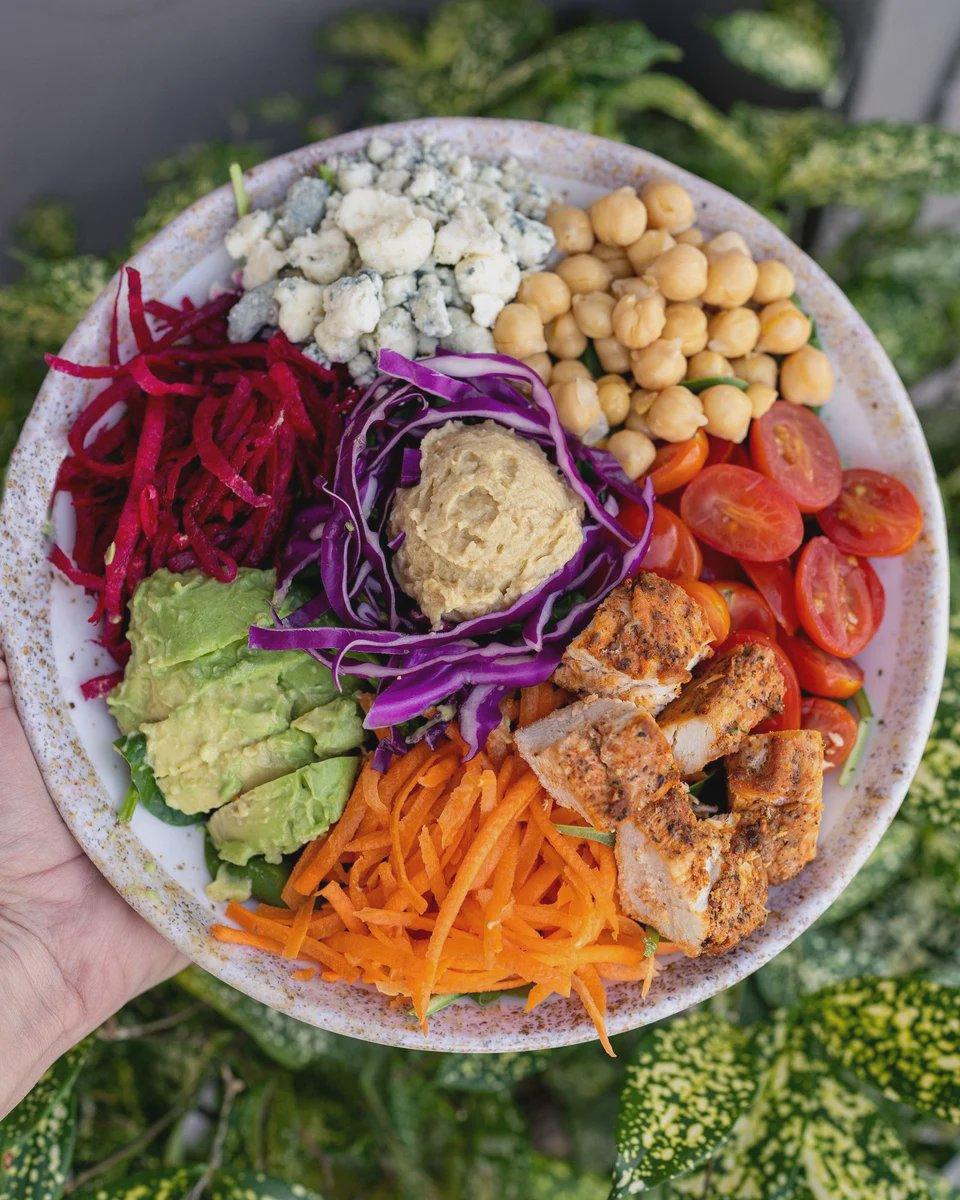
Energy density is the number of calories in a given weight of food. Lower–energy-density foods—such as most fruits, vegetables, brothy soups, and many lean-protein-plus-vegetable meals—let you eat larger, more filling portions for fewer calories, which may help regulate appetite [5]. Practical ways to apply this at home include starting meals with a produce component; building bowls with half the volume from vegetables or fruits; pairing lean proteins with high-fiber sides; and using broths, tomatoes, or yogurt to add moisture and volume without relying only on added fats. This approach fits within healthy-eating patterns highlighted by public-health guidance that emphasizes vegetables, fruits, whole grains, and varied protein sources [1, 7].
Protein variety without rigidity
Protein’s effect on fullness shows up across multiple studies, but the size of that effect differs by person and meal context [4, 8]. Many adults like to combine sources across the week: fish or poultry on some days; eggs or Greek yogurt on others; plant proteins like beans, lentils, tofu, or tempeh on others. In a randomized crossover trial in older adults, a bean-and-rice meal produced satiety comparable to a beef-and-rice meal, suggesting plant proteins can be a strong anchor for fullness when prepared in familiar ways [9]. If you are exploring higher-protein meals, discuss practical options at your visit; there is no single target that fits everyone [4, 8].
A flexible North Georgia grocery map: fresh, frozen, and shelf-stable
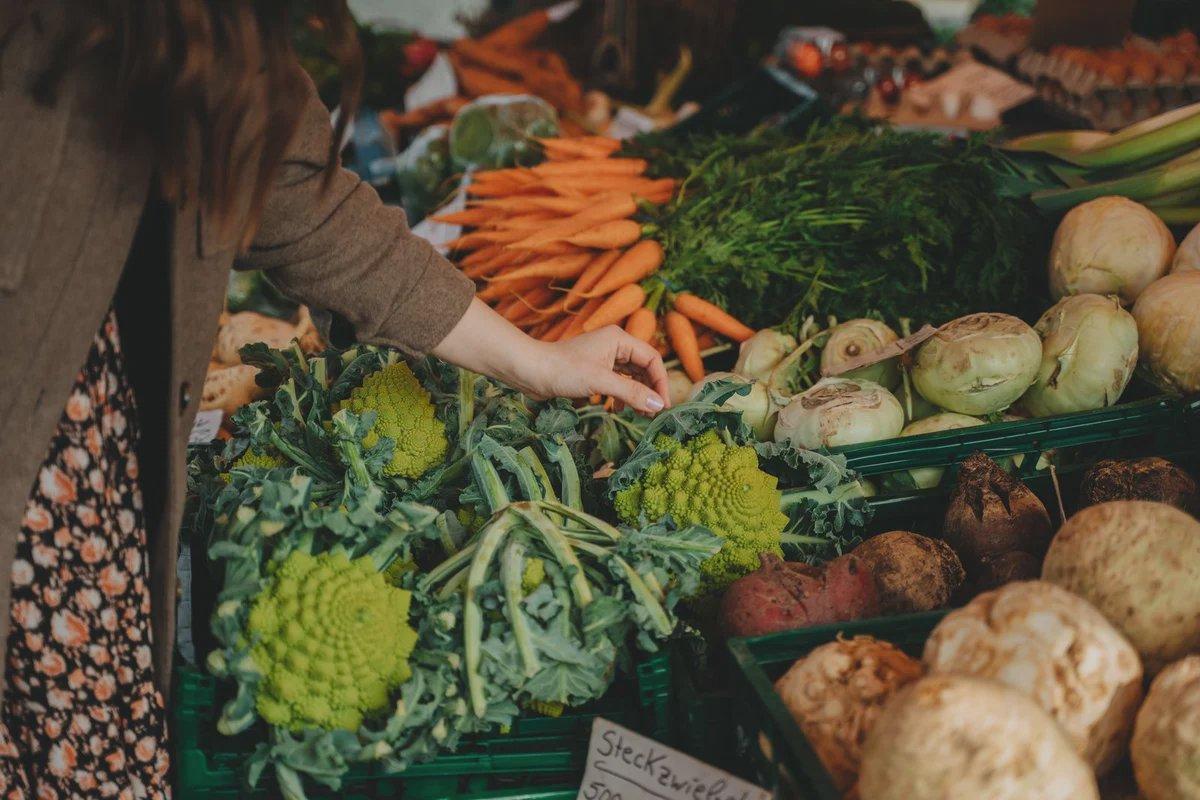
In Acworth, Kennesaw, Marietta, and Cartersville, many families blend local seasonal items with reliable pantry goods. When fresh produce is abundant, consider stocking peaches, berries, tomatoes, cucumbers, greens, and sweet potatoes. When weeks get busy, frozen stir-fry blends, berries, edamame, and microwaveable grains make quick, satisfying bowls. Shelf-stable standbys—beans, lentils, tuna, tomatoes, and broths—support soups, chilis, and skillets that combine protein, fiber, and volume without strict recipes. The goal is a kitchen that lowers friction so it is easier to notice hunger, assemble a balanced plate, and stop when comfortably full.
Meal prep that protects fullness without rigid rules
- Choose one to two proteins, two to three vegetables or fruits, and one to two higher-fiber starches for the week, then mix and match. For example: rotisserie chicken, plain Greek yogurt, roasted sweet potatoes, brown rice, bagged salad, and frozen berries.
- Cook once, eat twice: roast a tray of vegetables, simmer a pot of beans or lentils, or cook a grain; portion into containers with space for add-ins (salsa, herbs, lemon, or a spoon of sauce) to keep variety without extra work.
- Assemble grab-and-go options that feel substantial: Greek yogurt with fruit; cottage cheese with tomatoes and cucumbers; whole-grain toast with eggs; bean-and-salsa bowls with prewashed greens. Protein and fiber together often help meals feel satisfying [1, 4].
- Batch a broth-based soup with vegetables and a protein (beans, chicken, tofu). Soups can be low in energy density and high in volume, which may support fullness for some adults [5].
Label tips that support satiety without strict tracking
If you use the Nutrition Facts label while shopping, focus on a few details that relate to fullness. Serving size on the label is a standardized reference that helps compare products; it is not a recommendation for how much you should eat, and your needs may differ [2]. For products you use as anchors for satiety, many adults scan for grams of protein and dietary fiber per serving, and then decide whether the portion they plan to eat aligns with their hunger and comfort. This can help you compare, for example, two breakfast options or two breads without turning shopping into a math exercise [2].
A satiety-focused grocery list template to personalize
Use this as a starting point and customize it to your preferences, culture, budget, and schedule. The categories lean on foods that often support fullness while keeping meals enjoyable.
- Proteins: eggs; Greek yogurt; cottage cheese; tofu or tempeh; canned tuna/salmon; chicken thighs or rotisserie chicken; lean ground turkey or beef; beans and lentils; edamame; nuts and seeds in amounts that align with your plan. Protein can increase satiety for many adults [4, 8].
- Fiber-forward carbohydrates: rolled oats; whole-grain breads or tortillas; whole-grain pasta; brown rice or quinoa; potatoes and sweet potatoes; winter squash; canned beans and chickpeas; fruits (fresh, frozen, or unsweetened canned); vegetables (fresh or frozen). Higher-fiber foods are part of patterns that support fullness and overall nutrition [1, 7].
- Produce variety: bagged salads; hearty greens; cruciferous vegetables; onions and peppers; seasonal fruits; frozen mixed vegetables and berries. Lower–energy-density produce helps add volume to meals [5].
- Flavor and texture: olive or canola oil; avocado; hummus; salsa; tomato sauce; vinegars; mustard; spices; herbs; lemon or lime.
- Beverages: water; sparkling water; unsweetened tea or coffee; milk or unsweetened milk alternatives as desired. Consider how caloric beverages fit your hunger and fullness cues; reductions in sugar-sweetened drinks have been linked with weight loss in research [3, 6].
Questions to bring to your next nutrition visit in Acworth, Kennesaw, Marietta, or Cartersville
Personalization comes from conversation. Consider bringing a short list so you leave with practical next steps that match your life.
- How can we shape a satiety-focused grocery list that fits my schedule, culture, and budget, and what should I stock for busy weeks versus slower weeks?
- Which protein sources tend to keep me fuller based on my preferences, and how might we space them across my day?
- What fiber-rich foods are realistic for me, and how can I increase fiber gradually if needed to support comfort?
- How can I use the Nutrition Facts label quickly to compare options for breakfast, snacks, or breads without getting stuck in numbers [2]?
- What beverage plan makes sense for me? If I enjoy sweetened drinks, how can I align them with my satiety cues while staying comfortable [3, 6]?
- If my appetite changes due to schedule shifts, stress, or medical treatments, how should we adjust my pantry plan? I will not start, stop, or change any prescribed treatment without discussing it with the prescribing clinician.
How this fits with care at Dr. Martin’s Weight Loss
At Dr. Martin’s Weight Loss in Acworth, care is physician-supervised [10, 11]. A satiety-focused grocery list is one practical tool to discuss with the team, aligned with healthy-eating and physical-activity habits in public-health guidance [3, 7].
Limitations and personalization: what the evidence can and cannot predict
Satiety is personal. Study averages show useful patterns—protein often helps, fiber-rich foods and lower–energy-density meals can allow satisfying portions, and being mindful with sugar-sweetened beverages may support long-term weight management [4, 5, 1, 7, 6]. Yet individuals differ based on taste, culture, chewing preferences, dental comfort, gastrointestinal tolerance, and schedule. Some adults feel fuller with warm meals; others do well with cold options. Some prefer more plant proteins; others prefer dairy or meat; many blend them.
FAQ
What are examples of satiety-supporting foods to keep on hand?
Foods that often help meals feel substantial include protein-rich options like eggs, fish, poultry, tofu or tempeh, Greek yogurt, cottage cheese, and beans or lentils; higher-fiber carbohydrates like oats, whole grains, potatoes, beans, fruits, and vegetables; and lower–energy-density choices that add volume, such as salads, roasted vegetables, and broth-based soups [1, 4, 5, 7, 9].
Do I need protein shakes, or can I rely on foods?
Many adults meet their protein needs with foods. Some prefer protein shakes for convenience, especially around busy schedules. If you use shakes, consider how they fit your overall pattern and preferences [3]. Protein intake influences fullness for many, but the effect size varies by person and context [4, 8]. Discuss any significant changes to your routine with your clinician during visits.
What can I buy when I am short on time but want meals that feel filling?
Quick options that often feel satisfying include Greek yogurt with fruit; cottage cheese with vegetables and whole-grain crackers; canned tuna with beans and salsa; microwavable brown rice with frozen stir-fry vegetables and edamame; and omelets or tofu scrambles with prewashed greens. These combine protein with fiber and volume, which many adults find helpful for fullness [1, 4, 5].
How do I use the Nutrition Facts label to support fullness without strict tracking?
Use the label to compare, not to judge. Serving size is a standardized reference for comparison and may not match your personal portion [2]. If satiety is your focus, many people scan for grams of protein and dietary fiber per serving and then decide whether the portion they plan to eat aligns with their hunger and comfort [2].
Sources
- DIETARY MANAGEMENT OF OBESITY: CORNERSTONES OF HEALTHY EATING PATTERNS - PMC
- Serving Size on the Nutrition Facts Label | FDA
- Eating & Physical Activity to Lose or Maintain Weight - NIDDK
- The Effects of Increased Protein Intake on Fullness: A Meta-Analysis and Its Limitations - PubMed
- Changing the energy density of the diet as a strategy for weight management.
- Reduction in consumption of sugar-sweetened beverages is associated with weight loss: the PREMIER trial1 - PMC
- Tips for Healthy Eating for a Healthy Weight | Healthy Weight and Growth | CDC
- Effect of short- and long-term protein consumption on appetite and appetite-regulating gastrointestinal hormones, a systematic review and meta-analysis of randomized controlled trials - PubMed
- Beans Improve Satiety to an Effect that Is Not Significantly Different from Beef in Older Adults: A Randomized, Crossover Trial - PMC
- Medical Weight Loss in Acworth, GA | Dr. Martin's Weight Loss
- About Our Weight Loss Clinic | Dr. Martin's, Acworth GA
When to Talk With a Clinician
Contact Dr. Martin's Weight Loss in Acworth, Georgia or online to discuss your goals, health history, and appropriate options with a qualified clinician.
Medical disclaimer: This article is for general education and is not a diagnosis or a substitute for individualized medical advice. Medication eligibility, risks, monitoring, and results vary; consult a qualified healthcare professional.