Eating out in North Georgia while honoring hunger and fullness cues: what actually helps?
Prepared 2026-10-05. Eating at restaurants around Acworth, Kennesaw, Marietta, and Cartersville can fit a physician-supervised weight‑management plan without strict rules or judgment. This guide focuses on practical strategies that many adults use to feel satisfied during restaurant meals while staying aligned with their own hunger and fullness cues. It also offers personalization questions you can bring to your nutrition visit at Dr. Martin’s Weight Loss. Evidence is included where it clarifies how certain choices may influence satiety and meal experience.
Anchor your plate for satiety: protein, fiber, and water-rich sides
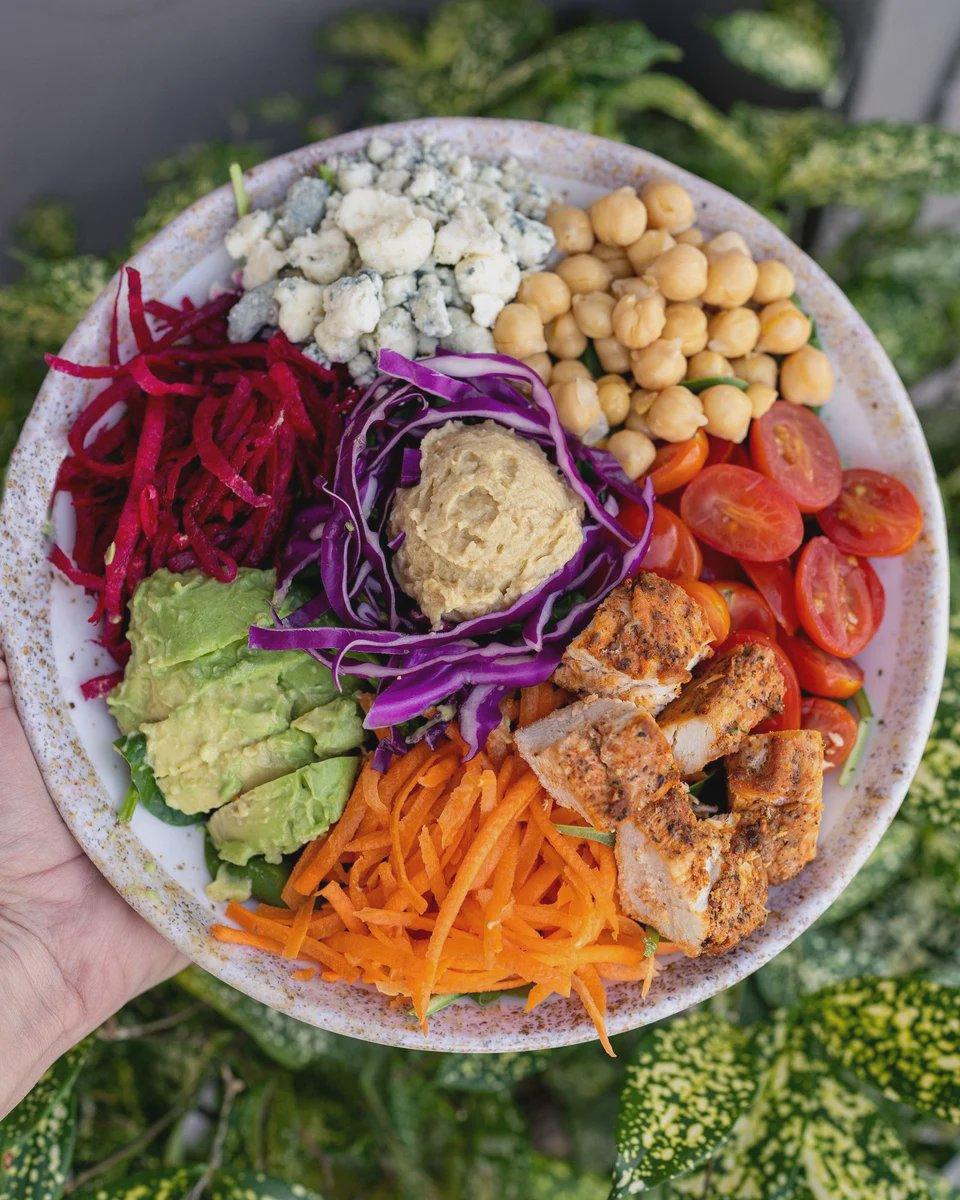
Many diners feel more satisfied when a meal includes a protein source, some fiber, and water‑rich foods like vegetables, fruit, or broth‑based soup. Clinical trials associate higher protein intake at meals with greater fullness signals and changes in appetite‑regulating hormones, though responses vary across studies and individuals [6]. Soluble fiber can modestly reduce subsequent energy intake and increase perceived satiety in controlled settings, with effects depending on the type and dose of fiber and the meal context [2]. Choosing lower energy‑density items—meals with fewer calories per gram, often due to higher water and fiber content—tends to reduce daily energy intake on average in experimental research, while leaving room for satisfaction and variety [12, 13].
- Broth‑based soups; vegetable sides; fruit cups; salads with beans, lentils, or whole grains. These items often add water and fiber, which can support fullness for some diners [2, 12, 13].
- Grilled, baked, roasted, poached, or steamed proteins. Pairing a protein you enjoy with plants can help many adults feel satisfied during and after the meal [6, 12].
- Add‑ons you enjoy—such as avocado, nuts, seeds, olive‑oil dressings, or cheese—can enhance flavor and texture. Consider the portion that fits the meal you want.
- Sauces and condiments you truly like. Asking how they are prepared or served can help you match flavor intensity to your appetite and plan.
Portion awareness without rigid rules
Restaurant portions can be larger than what many people find comfortable in everyday eating. U.S. evidence links larger portion sizes with higher immediate energy intake on average, which helps explain why planning your own portion can be useful in restaurants [11]. Educational guidance from the National Institute of Diabetes and Digestive and Kidney Diseases suggests practical ways to select the amount of food that feels right for you, such as noticing hunger before ordering, sharing dishes, or bringing home part of a meal when that fits your preferences [3]. Early research also suggests that some diners report feeling full after restaurant meals that contain fewer than 700 calories, underscoring that satisfaction is not determined by large portions alone; experiences vary by person and setting [10].
Menu labeling: a helpful data point, not a rule
Chain restaurants are required to post calorie information for standard menu items, with additional written nutrition information available on request, which can make it easier to compare options when that is useful to you [1]. On average, menu labeling is associated with modest reductions in calories ordered or consumed in U.S. adults across studies, though effects differ by person and context [4]. Consider using labels as one piece of information alongside your current hunger level, the foods that sound satisfying, and how you want to feel after the meal.
Pacing the meal: mindful ordering and unhurried eating
Mindful eating practices—paying attention to the sensory experience of food and to internal cues of hunger and fullness—are associated with small to moderate reductions in energy intake and obesogenic eating behaviors in research syntheses, while emphasizing a nonjudgmental stance [7, 8]. If you find it helpful, you might order in a way that supports a calmer pace, such as adding a vegetable or broth‑based soup starter and checking in with hunger and fullness as the meal goes on [9, 7]. There is no single “right” speed; the goal is noticing your cues and adjusting the meal to your comfort.
Starters that can support fullness for some diners
In controlled experiments, starting a meal with a low‑energy‑density, vegetable‑rich soup reduced the energy intake of the subsequent course, without reducing satisfaction in many participants [9, 12]. Salads or sides that add fiber—such as beans, lentils, or vegetables—can also support fullness for some people, especially when the textures and flavors are enjoyable [2, 13]. If dressings, croutons, cheeses, or nuts make the salad taste better to you, consider the amount that makes the dish satisfying and balanced for your appetite today.
Practical ordering frames for common North Georgia menus
Barbecue spots: If you enjoy smoked meats, you might build a plate around a portion of pulled pork, chicken, or turkey, plus a fiber‑rich side like coleslaw made with crunchy vegetables, beans, greens, or a baked potato. Add the sauces you like and consider how much of each side fits your hunger today. A vegetable or broth‑based soup starter, when available, can help a relaxed pace [9].
Mexican and Latin menus: Consider anchoring the meal with grilled fish, chicken, steak, tofu, or beans, then add the starch and toppings you enjoy, such as rice, tortillas, guacamole, or salsa. If rice and beans both sound good, choosing the amounts that fit your appetite can help you leave comfortable. Calorie labels, when posted, can be a reference point if you want one [1, 4].
Asian restaurants: Many diners like to balance a noodle or rice dish with vegetables and a protein they enjoy, or choose a broth‑based soup with add‑ins. Asking about add‑on vegetables or steamed options can create more volume for the same dish when that suits your preferences. Slowing the pace—like placing utensils down between bites—can help some diners notice fullness cues [7, 8]. Sharing plates is another way some people set a slower pace when that fits the occasion.
Diners and cafes: Breakfast‑all‑day and cafe menus often make it easy to add fruit, vegetables, or beans to the plate. Pairing eggs, yogurt, or another protein with fiber‑containing sides can support fullness for some diners [6, 2]. If pastries or desserts are part of the experience you want, enjoying the portion that fits your current appetite can be part of a satisfying plan.
A quick pre‑restaurant plan you can personalize
- Check in with your cues. Ask yourself how hungry you are and how you want to feel after the meal. This sets the frame for portion choices and pacing [7, 8].
- Scan for your anchors. Consider a protein you enjoy, a fiber‑containing item, and a water‑rich side or starter you want to eat. This combination often supports fullness for many adults [6, 2, 12, 13].
- Decide on an arrival plan. If a relaxed pace sounds helpful, consider starting with a vegetable or broth‑based soup or a produce‑forward appetizer to create a natural pause [9].
- Use menu labels as needed. If posted, calorie numbers can help you compare options that both sound good; treat them as one data point rather than a rule [1, 4].
- Eat attentively. During the meal, notice flavors, textures, and your changing fullness. Small mindfulness cues—like putting utensils down between bites—can help some diners stop when comfortably satisfied [7, 8].
Questions to bring to your nutrition visit at Dr. Martin’s Weight Loss
- Which restaurant strategies tend to match my personal hunger and fullness patterns on busy workdays versus weekends? Could we look at a few recent menus from Acworth, Kennesaw, Marietta, or Cartersville together?
- How might I space protein across the day so I arrive at dinner with steady, comfortable hunger? What are examples that fit foods I enjoy [6]?
- What are realistic fiber goals for me, and which restaurant sides or starters help me meet them without feeling overfull [2]?
- When a menu item I love is higher in energy density, how can I adjust the rest of the plate or the meal pace so I still feel good afterward [12, 13, 7]?
- How can I use menu labeling information when it is posted, and what are simple ways to plan when labels are not available [1, 4]?
- If I tend to eat quickly at restaurants, which small mindful‑eating cues usually work for me without feeling awkward at the table [7, 8]?
- What is a practical approach for buffets, family‑style meals, or celebrations so I can enjoy the occasion and notice fullness without strict rules?
- How should I capture notes after a restaurant meal—such as what helped me feel satisfied—so we can review patterns at our next check‑in?
Evidence spotlight: what research can and cannot tell you about restaurant meals
Research gives helpful averages, not guarantees. For example, menu labeling has been linked with modest average reductions in calories ordered or consumed in pooled analyses, but not everyone uses labels the same way or finds them helpful every time [4]. Protein and fiber often support fullness in trials, yet the magnitude and time course of satiety vary by person, dose, and meal composition [6, 2]. Lower energy‑density choices tend to reduce daily energy intake on average, but preference, culture, and context matter—and enjoyment remains central [12, 13]. Mindfulness interventions can reduce energy intake in the short term in research settings; in everyday life, stress, timing, and social context can shape how practical these tools feel [7, 8]. Consider these findings as options to test, then personalize with your care team based on your experience.
Bringing it together in real life
Enjoying restaurants during weight‑management care can be both satisfying and aligned with your cues. Many adults find that combining a protein they like, fiber‑containing sides, and water‑rich foods; using menu labels as a reference when available; and pacing the meal with simple mindfulness cues creates a comfortable experience [6, 2, 12, 13, 1, 4, 7, 8]. Starters like vegetable‑rich soups or produce‑forward appetizers can help some diners settle into a relaxed rhythm [9]. Your preferences, routines, and community all matter—whether you are meeting friends in Marietta, grabbing takeout in Kennesaw, lingering over barbecue in Cartersville, or planning a date night in Acworth. If you would like help tailoring these ideas, bring a couple of recent menus and your questions to your next nutrition visit at Dr. Martin’s Weight Loss so the care team can collaborate with you on a plan that fits your life.
Questions patients often ask about eating out
Do menu calorie numbers apply to everyone the same way?
Chain restaurants must post calories for standard items and provide additional nutrition information on request, which can make comparing options easier; however, labels are intended as a tool, and individual energy needs vary [1, 5]. Many people find labels helpful as a reference alongside hunger and fullness cues rather than as strict rules [4].
Is it helpful to start with a soup or salad if I want to feel comfortably full?
Research shows that starting a meal with a low‑energy‑density, vegetable‑rich soup can reduce the energy intake of the following course for many participants without reducing satisfaction [9, 12]. Salads or sides with beans, lentils, or vegetables add fiber that may support fullness for some diners [2]. Consider dressings and toppings in amounts that make the dish satisfying for you.
Does eating more slowly or mindfully actually change how much I eat?
Systematic reviews suggest that mindful eating approaches—paying attention to flavors, textures, and internal cues—can reduce energy intake and obesogenic eating behaviors in the short term for many adults, though real‑world results vary [7, 8]. Simple cues like pausing between bites can make it easier to notice comfort and stop when satisfied.
Restaurant portions feel big to me. What are some realistic approaches without strict rules?
Portion size influences how much people eat on average in experimental settings, and restaurant portions can be larger than what many people prefer day to day [11, 3]. Practical options include sharing dishes, choosing smaller sizes when offered, or bringing home part of a meal when that feels right to you [3].
Sources
- Menu Labeling Rule: General Information Fact Sheet
- Unravelling the Effects of Soluble Dietary Fibre Supplementation on Energy Intake and Perceived Satiety in Healthy Adults: Evidence from Systematic Review and Meta-Analysis of Randomised-Controlled Trials - PMC
- Food Portions: Choosing Just Enough for You - NIDDK
- A Meta-Analysis to Determine the Impact of Restaurant Menu Labeling on Calories and Nutrients (Ordered or Consumed) in U.S. Adults - PMC
- Eating & Physical Activity to Lose or Maintain Weight - NIDDK
- Effect of short- and long-term protein consumption on appetite and appetite-regulating gastrointestinal hormones, a systematic review and meta-analysis of randomized controlled trials - PubMed
- Effects of mindfulness and mindful eating on food intake and appetite: a systematic review and meta-analysis.
- Effects of mindfulness‐based interventions on obesogenic eating behaviors: A systematic review and meta‐analysis - PMC
- Soup preloads in a variety of forms reduce meal energy intake - PMC
- When more isn't more: Diners' feelings of fullness after consuming restaurant portions with fewer than 700 calories.
- Portion size and energy intake
- Calorie reformulation: a systematic review and meta-analysis examining the effect of manipulating food energy density on daily energy intake - PMC
- Dietary energy density and appetite: A systematic review and meta-analysis of clinical trials - PubMed
When to Talk With a Clinician
Contact Dr. Martin's Weight Loss in Acworth, Georgia or online to discuss your goals, health history, and appropriate options with a qualified clinician.
Medical disclaimer: This article is for general education and is not a diagnosis or a substitute for individualized medical advice. Medication eligibility, risks, monitoring, and results vary; consult a qualified healthcare professional.