Meals that taste great and offer lots of sensory interest can be a joy. They can also make it easier to keep eating past the point of comfort, especially when foods are highly palatable, energy-dense, or offered in many flavors and textures at once [9]. Understanding how palatability, degree of processing, and meal variety affect immediate satiety can help you design satisfying plates without strict rules [9, 3, 2]. This article translates the research into plain-language planning prompts you can take to a nutrition visit at Dr. Martin’s Weight Loss in North Georgia—Acworth, Kennesaw, Marietta, and Cartersville—so your meals align with your own fullness cues and goals in a supportive, patient-centered way [13].
Palatability, processing, and variety: what they mean for immediate fullness
Three food properties consistently shape how much people eat in the moment: energy density, palatability, and variety [9]. Palatability refers to how pleasant a food is to taste and eat; more palatable foods generally increase intake [9]. Variety—offering multiple sensory options within a meal—can also increase intake because different flavors and textures refresh interest bite-to-bite, a pattern linked to sensory-specific satiety research [3, 8]. Energy density—the calories per gram—matters because lower energy density foods can allow satisfying portions with fewer calories, while higher energy density can condense more calories into smaller volumes [9].
Ultra-processed foods and appetite: what controlled studies suggest
In a randomized, inpatient crossover study where adults ate as much as they wanted from two matched menus, an ultra-processed menu led to higher energy intake and short-term weight gain compared with an unprocessed menu, with diets matched for presented energy density and macronutrient profile and with similar palatability ratings [2]. This finding suggests that food processing patterns can influence eating rate and the speed at which calories are consumed during real meals [2]. More broadly, structural characteristics of foods influence satiation and intake [9, 7]. Definitions of what counts as “ultra-processed” vary across systems like NOVA, and measurement methods continue to evolve, so labels in studies may not perfectly match every grocery choice [15].
Sensory-specific satiety and variety within a meal
People tend to feel decreasing desire for a specific taste as a meal progresses, but interest can rebound when a new flavor or texture is introduced—a process called sensory-specific satiety [8]. Systematic reviews show that increasing the variety of foods or components available within a meal can raise total intake because each new sensory option may delay the feeling that you have had “enough” of that meal’s experiences [3, 1]. This does not make variety “bad.” Variety across days can support enjoyment and a range of nutrients, while very high variety within a single sitting may nudge intake upward for some people [3, 1, 12].
Texture, energy density, and eating rate: practical levers for satiation
Physical characteristics of food change how quickly we eat and how full we feel while eating. Meta-analyses report that features slowing eating rate—such as higher viscosity, crunch or chew, intact structure, and water-rich volume—can reduce immediate intake while maintaining acceptability [7]. Classic satiety research also shows that some water-rich, fiber-rich, or protein-containing foods produce higher fullness ratings relative to their calories, though responses vary person-to-person [5, 11]. Energy density interacts with these effects: when foods are lower in energy density, larger portions can be eaten for similar calories, which may support fullness signals during a meal [9].
Why some meals feel less filling for some people
Several patterns can combine to make a specific meal feel less filling and lead to continued eating. Larger default portions tend to increase intake, even when people do not intend to eat more [10]. Meals featuring multiple highly palatable items across taste and texture categories can keep interest high and reduce the natural drop in desire for a single flavor, extending eating [3, 8, 9]. When foods are energy-dense and easy to eat quickly, fullness signals may arrive later than the pace of eating, and some people may notice they feel satisfied only after finishing more than expected [7, 9]. In short-term controlled settings, ultra-processed menus have been associated with higher energy intake, likely through combined effects on eating rate and convenience [2].
Flexible meal-planning ideas to discuss and personalize
Strict rules are rarely necessary. Many people prefer small, sustainable shifts that respect culture, cost, time, and taste. The prompts below are starting points to explore with a clinician or registered dietitian so you can test what fits your appetite cues and routine. Evidence-informed patterns include balancing energy density, textures that slow the eating rate, and components linked to higher satiety for some individuals, such as protein and fiber, while allowing enjoyable flavors [7, 5, 11, 9]. General healthy eating resources can also support meal building without moralizing foods or body size [6, 12, 13].
- Identify which meals leave you comfortably satisfied for a few hours and which do not; compare their texture, eating rate, and energy density features to guide small trials you can review at your visit [7, 9].
- Explore variety across the day or week rather than maximizing variety within one sitting if you notice larger portions when many flavors and textures are combined in a single meal [3, 1].
- Consider including a protein-containing element you enjoy and a water- or fiber-rich side, such as vegetables, beans, lentils, or fruit, to see whether the first 10–15 minutes of the meal feel more satisfying for you [11, 5, 6].
- Test textures you like that naturally slow the eating rate—crunchy salads, chunky soups, whole fruit, or intact grains—without sacrificing taste [7].
- If portions tend to run large, experiment with serving your expected amount first and noticing satiety pauses before adding more, rather than eating from a large shared container [10, 7].
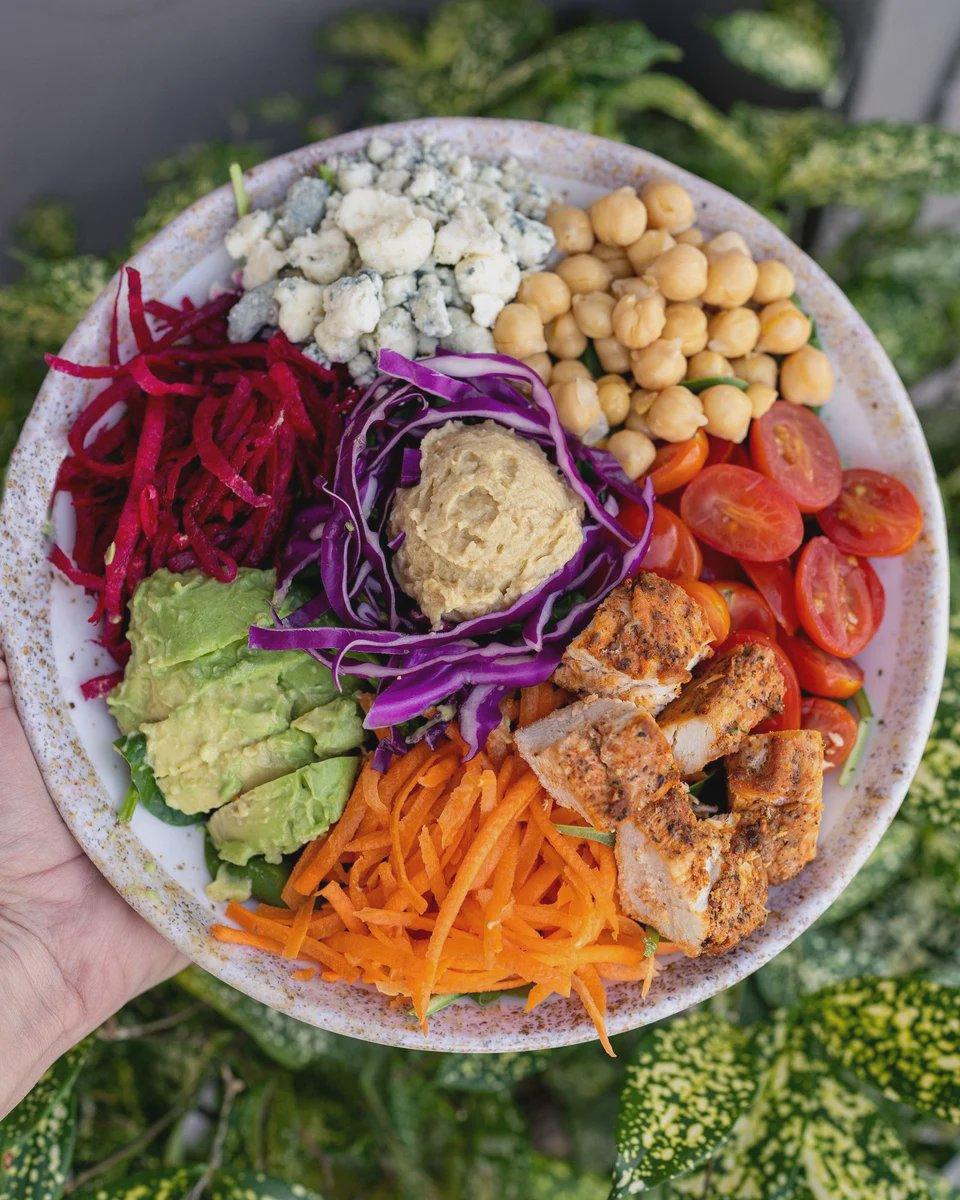
- On days when convenience is essential, compare how you feel after options with different processing levels and structures, such as a grain-and-protein bowl with vegetables versus a softer, more uniform option, and bring notes to discuss [2, 7, 9].
Putting it together: examples to tailor with your care team
People often report that meals feel more complete when they mix appealing flavors with textures that slow the pace and components linked to satiety, such as protein and fiber, while keeping overall energy density moderate for the portion size they want to enjoy [7, 11, 9]. For instance, some find a grain, a protein-containing item they like, and two sides with water or fiber—such as a crunchy vegetable and a bean or fruit—strike a good balance. Public health resources offer many ways to assemble meals that fit culture, time, and budget without strict rules [6, 12].
Questions to bring to your nutrition visit in North Georgia
Visits at Dr. Martin’s Weight Loss are collaborative. You set goals; the care team helps you test strategies and interpret your results through a supportive, non-judgmental lens [13, 14]. Consider asking:
- Based on my notes, which textures or components seem linked to better satiation for me, and how might we design simple trials that fit my schedule and culture [7, 13]?
- How can I plan variety across my week so meals stay enjoyable while avoiding patterns that lead me to keep eating past comfort [3, 1]?
- What low-effort, water-rich or fiber-rich sides tend to work well with my usual meals, and how can I make them convenient in my kitchen [7, 6]?
- When I rely on convenience foods, what should I observe about eating rate, portion size, and fullness to decide what serves me best [2, 10]?
- If I feel less satisfied on certain days, how could sleep, stress, or schedule be influencing my appetite signals, and what small adjustments might be worth testing [13]?
What the research can and cannot tell you yet
Short-term studies often take place in controlled settings, which help isolate variables but may not capture your home routines, preferences, or cultural context [2, 7]. Definitions and measurements for ultra-processed foods differ across systems, so individual items may be classified differently by different researchers [15]. Sensory-specific satiety and variety effects are real on average, yet individual responses can vary widely; some people feel more satisfied with a small, highly varied tasting plate, while others feel best with simpler combinations [3, 8]. Many gut–brain signals that regulate appetite are still being mapped, so not every difference in fullness has a clear, single cause [4]. Because eating is shaped by taste, social context, access, time, and stress, it is reasonable to conduct practical, low-burden experiments and bring observations to your clinical visit for interpretation with your care team [13].
Supportive habits that pair well with flexible meal planning
Many people find that non-food factors interact with appetite, such as consistent routines, enjoyable physical activity, and skills for stress and sleep management. Patient-centered guidance encourages focusing on realistic, values-aligned steps and non-stigmatizing support during behavior change, which can make experimentation with meals less stressful and more sustainable over time [13, 6, 12].
FAQs: palatability, processing, variety, and fullness
Do ultra-processed foods always make people eat more?
Ultra-processed foods are linked with higher energy intake in some controlled studies, likely through combined effects on eating rate and convenience, but individual experiences vary and classification systems differ [2, 15]. It can help to observe how specific convenient options affect your fullness and discuss patterns at your visit.
Is more variety at every meal always better for fullness?
Not necessarily. Variety can increase intake within a meal by refreshing interest in eating, but variety across days can support enjoyment and flexibility [3, 8, 1]. You can test whether simpler combinations at a single meal feel more satisfying for you while rotating flavors across the week.
Does slower eating or crunchier texture really matter for satiety?
Evidence suggests that textures and structures that slow eating rate—such as crunch, chew, viscosity, and intact pieces—can reduce immediate intake without lowering acceptability for many people [7]. Some notice that these features help fullness signals “catch up,” but responses are individual.
Do protein and fiber actually help meals feel more satisfying?
Some studies associate higher protein intake with greater satiety and reduced hunger for many individuals, and classic satiety tests show that certain water- or fiber-rich foods can feel more filling relative to their calories [11, 5]. You can explore protein-containing foods and produce you enjoy and note how they affect your meal satisfaction.
Sources
- Variety, Palatability, and Obesity - PMC
- Ultra-processed diets cause excess calorie intake and weight gain: An inpatient randomized controlled trial of ad libitum food intake - PMC
- Effect of food variety on intake of a meal: a systematic review and meta-analysis - PMC
- NIDDK April 2024 Gut Feelings Executive Summary
- A satiety index of common foods - PubMed
- Eating & Physical Activity to Lose or Maintain Weight - NIDDK
- Sensory and physical characteristics of foods that impact food intake without affecting acceptability: Systematic review and meta‐analyses - PMC
- Sensory specific satiety: More than ‘just’ habituation? - PMC
- “The Big Three” Properties of Food that Drive Intake - PMC
- Effects of Food Quality, Quantity, and Variety on Intake - Not Eating Enough - NCBI Bookshelf
- Increased Dietary Protein as a Dietary Strategy to Prevent and/or Treat Obesity - PMC
- Healthy Eating Tips | Nutrition | CDC
- 5. Facilitating Positive Health Behaviors and Well-being to Improve Health Outcomes: Standards of Care in Diabetes—2026
- Obesity and its management in primary care setting - PMC
- Measuring ultra-processed foods in diet | National Institutes of Health (NIH)
When to Talk With a Clinician
Contact Dr. Martin's Weight Loss in Acworth, Georgia or online to discuss your goals, health history, and appropriate options with a qualified clinician.
Medical disclaimer: This article is for general education and is not a diagnosis or a substitute for individualized medical advice. Medication eligibility, risks, monitoring, and results vary; consult a qualified healthcare professional.