Date: 2026-09-14 Low energy density eating is a flexible way to build meals that feel plentiful and satisfying without strict rules. This article explains what dietary energy density means, how it relates to fullness and meal satisfaction, and how you can plan adaptable plates with Dr. Martin’s care team in North Georgia—Acworth, Kennesaw, Marietta, and Cartersville. Where the science is clear, we cite it; where experiences differ, we note the uncertainty. Bring the planning questions at the end to your visit so your clinician can help tailor ideas to your day-to-day routine.
What is dietary energy density?
Dietary energy density is the amount of energy in a given weight of food, often described as calories per gram. Foods with more water and fiber tend to have lower energy density, while foods with more fat tend to have higher energy density [1]. Because water adds weight and volume without adding calories, water-rich foods like many fruits, vegetables, and broth-based soups usually have lower energy density than drier, fat-rich foods [1].
Why energy density relates to fullness and satisfaction
In clinical trials, reducing the energy density of meals tends to lower how much energy people consume, both at single meals and across the day, even when they can eat as much as they want. These effects often occur without lowering ratings of fullness [3, 4]. Research also indicates that people commonly eat a fairly consistent weight or volume of food; lowering energy density allows larger portions at a given calorie target, which can support satiation during a meal and satiety between meals [1].
Texture can matter, too. In randomized experiments, meals with lower energy density led to lower energy intake, and meal texture influenced how much people ate and how full they felt. Harder or more solid textures were associated with differences in intake and appetite ratings compared with softer textures in controlled settings, underscoring that how a food is prepared and chewed can shape eating pace and satisfaction [2].
What foods tend to lower energy density?
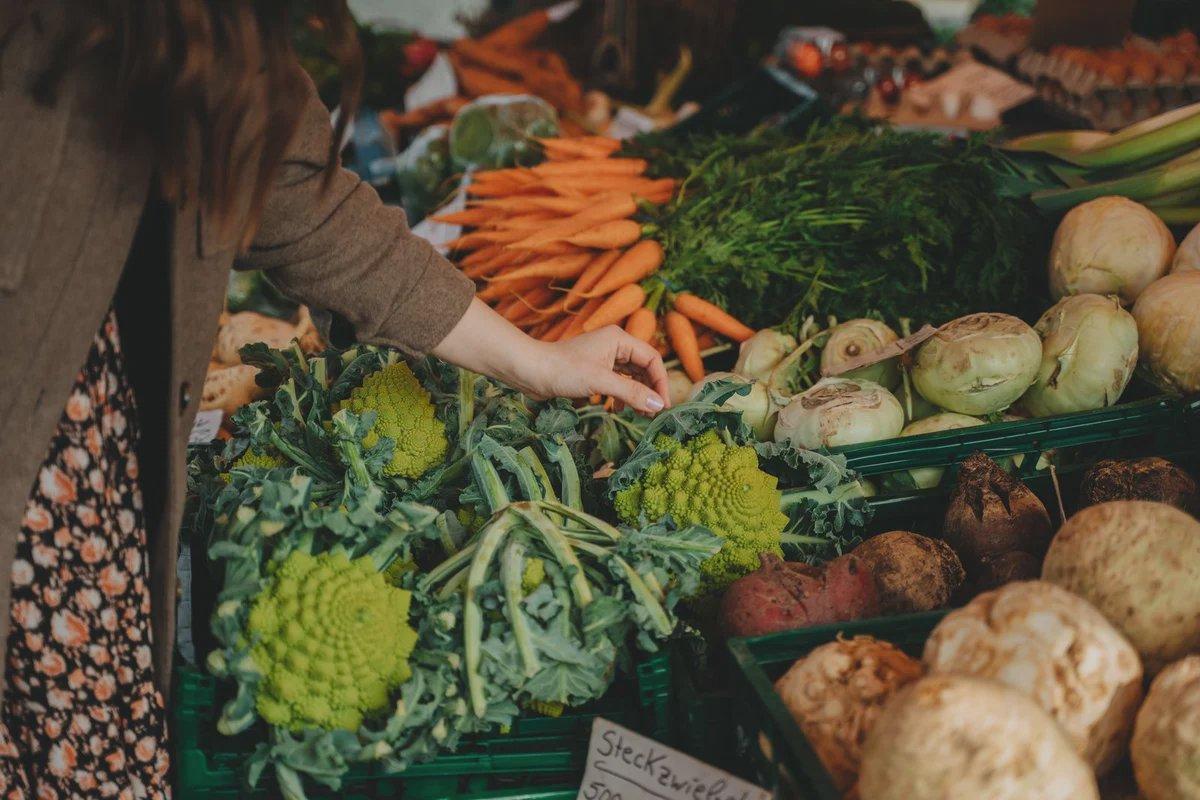
Patterns that emphasize water- and fiber-rich foods usually reduce overall energy density. Examples include: • Fruits and non-starchy vegetables, which are generally high in water content and lower in energy density compared with many other food types [1]. • Broth-based soups and vegetable-rich stews, which add volume from water and vegetables without concentrating calories [1]. • Mixed dishes that incorporate generous amounts of vegetables (for example, adding extra peppers, mushrooms, tomatoes, or leafy greens to a pasta, grain bowl, taco filling, stir-fry, or omelet) to expand volume and dilute the energy density of the overall dish [1]. • Cooking methods and recipes that rely on moisture (simmering, steaming, poaching, using broth or tomato base) rather than added fats as the primary source of volume [1].
Flexible plate-building without strict rules
A low energy density approach does not ban foods. It uses plenty of lower energy density components to create generous portions and then fits other favorites alongside them in amounts that match your hunger, schedule, and preferences. Many people find it practical to think in terms of building blocks that can flex for home meals, packed lunches, and dining out. The ideas below are meant for discussion with your clinician so they can be tailored to your needs.
- Start meals you enjoy with a fruit or non-starchy vegetable component, such as a salad, sliced fruit plate, sautéed greens, or a roasted vegetable side, to add volume and moisture up front [1].
- Use broth-based soups or vegetable-rich stews as a first course or main component when they sound appealing; research shows soup preloads can reduce meal energy intake in controlled settings [1].
- In mixed dishes, double the vegetables to increase volume, moisture, color, and texture while lowering overall energy density of the dish [1].
- Choose cooking methods that add or retain water (steaming, simmering, stewing) and lean on tomato, citrus, herbs, spices, vinegars, and broths for flavor, which support lower energy density patterns without relying on concentrated fats for volume [1].
- Favor whole fruit when you want more chew and volume; texture and structure can influence satiation and intake in experimental settings [2].
- Use visual balance: build a generous base of vegetables or fruit you like to add volume, then add the other components you enjoy to round out the plate [1].
Putting the idea into practice: adaptable meal sketches
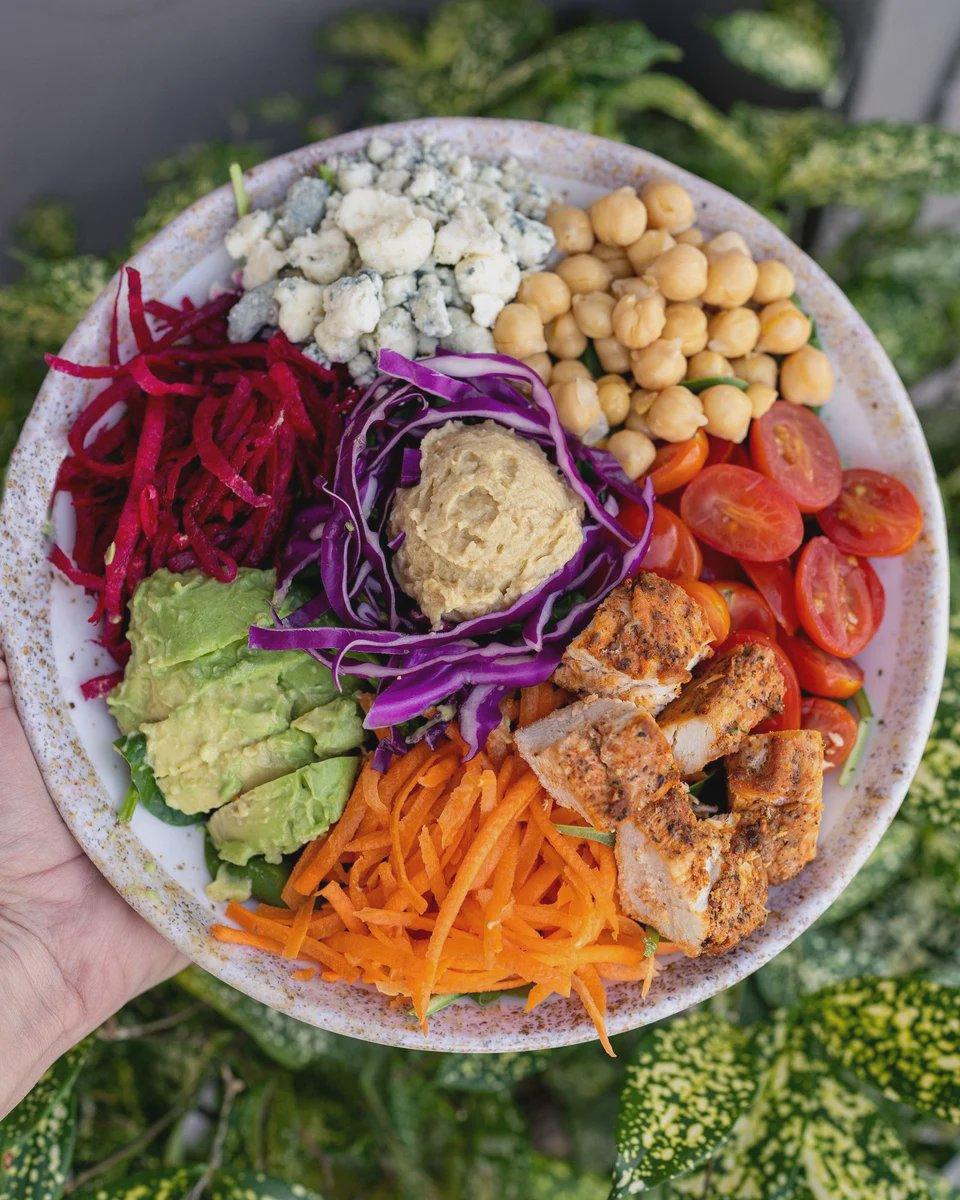
These are examples to spark ideas you can tailor with your care team. Adjust portions and components to your appetite and schedule. • Broth-based minestrone with extra vegetables, paired with a slice of bread or another favorite side if desired [1]. • Grain bowl built on a large bed of chopped vegetables and leafy greens, topped with the grains and other items you enjoy, plus a flavorful dressing; the vegetables add volume and lower the bowl’s overall energy density [1]. • Stir-fry with two or more vegetable varieties served over a mix of cooked rice and riced cauliflower to increase volume and moisture while diluting energy density [1]. • Omelet packed with mushrooms, peppers, tomatoes, or spinach, with fruit on the side. The vegetables and fruit contribute water and fiber to lower the overall energy density of the plate [1].
Planning for real life: busy weeks, dining out, and travel
On full days, a simple move is increasing the proportion of lower energy density items you already like. Keeping ready-to-eat produce or a pot of broth-based soup available can make it easier to add volume when time is tight. When dining out, scanning the menu for options that naturally build in moisture and vegetables can help maintain a lower overall energy density across the day, such as a vegetable-forward entrée or a broth-based soup if it sounds appealing to you [1]. If you enjoy salads, mixed plates with vegetables, or fruit as a side, those can add satisfying volume without feeling rigid [1]. Texture also matters; if you notice that slower-to-chew, structured foods feel more satisfying for you, that observation aligns with research showing that texture can influence eating pace and appetite ratings in controlled settings [2].
How energy density fits with your hunger and fullness cues
Energy density is one lens you can use alongside your own appetite signals. Trials show that lowering energy density tends to reduce energy intake on average without consistently lowering fullness ratings, but people vary, and daily context matters [3, 4]. Your care team can help you experiment with plate composition, meal timing, and textures to see what leads to comfortable meals that carry you to the next eating occasion.
What energy density can and cannot do
What the evidence supports: • In controlled and real-meal studies, lowering the energy density of foods and menus generally leads to lower energy intake, often without lower fullness ratings [3, 4]. • Water- and fiber-rich foods such as fruits, vegetables, and broth-based soups commonly reduce the energy density of meals [1]. What to keep in mind: • Satiety is personal. Not everyone experiences the same fullness from the same plate, and the effect can differ by setting, texture, and your day’s demands [2, 3]. • Body weight changes are influenced by many factors. Research links lower dietary energy density patterns with changes in body weight among adults with obesity, but experiences vary and no single strategy determines outcomes [5]. • Flavor, culture, budget, cooking time, and access shape what is practical. A flexible approach that includes your preferred foods can be more sustainable than rigid rules. Your clinician can help you personalize ideas to fit your life.
Questions to bring to your next visit at Dr. Martin’s Weight Loss
- Which lower energy density foods do I already like, and how can we incorporate them into breakfasts, lunches, dinners, and snacks I look forward to?
- On busy days, what are two or three quick, water-rich options I can keep on hand that fit my schedule and preferences?
- How can we tailor plate composition so that my meals feel satisfying through my typical work or family schedule, taking into account texture and eating pace?
- If I enjoy soup or salad, what are easy, flavorful versions that fit my tastes and time for the week ahead?
- What signs should I look for that a meal’s volume is right for me, and how can I adjust at the next meal if I felt overly full or still hungry?
- How might we apply energy density principles when I’m dining out in Acworth, Kennesaw, Marietta, or Cartersville, using the kinds of restaurants I visit most often?
- What are simple ways to add vegetables or fruit to the dishes I already cook, without changing the flavors I enjoy?
- How do my preferences for crunchy, chewy, or soft foods affect how satisfied I feel, and how can we use that to plan meals I’ll enjoy?
- If I choose to track anything, what would be most helpful for a short trial—photos of plates, hunger and fullness notes, or another simple check-in—to inform our follow-up conversation?
- How can we plan for holidays or travel so I can enjoy the occasion and still feel comfortable with my meals’ volume and composition?
- Are there any medical or nutritional considerations in my history that we should account for when applying low energy density ideas, and what alternatives should we have ready just in case?
Frequently asked questions
Your questions, answered
Does low energy density eating mean only salads and soup?
No. Low energy density eating focuses on adding volume and moisture with foods you enjoy, such as fruits, vegetables, and broth-based soups, which can help lower the overall energy density of meals. It does not require cutting out specific foods; instead, it balances plates so you can have generous portions alongside other items you like [1].
How do broth-based soups fit into a low energy density approach?
Research shows that broth-based soups can reduce meal energy intake when eaten as a first course in controlled settings, likely by adding water-rich volume before or alongside the main dish. If you enjoy soup, this can be one way to build satisfying volume into a meal plan [1].
Do texture and chewing really influence how full I feel?
In randomized experiments, both the energy density of a meal and its texture affected how much people ate and how full they felt. Harder or more solid textures were associated with differences in intake and satiation compared with softer textures. Your preferences matter, so noting which textures feel most satisfying to you can help guide planning [2].
Will focusing on low energy density lead to weight loss?
Trials and meta-analyses show that lowering dietary energy density tends to reduce daily energy intake on average, often without reducing fullness ratings. Body weight changes involve many factors over time, and individual results vary. Some research links lower dietary energy density patterns with body weight changes in adults with obesity, but outcomes are not the same for everyone [3, 4, 5].
Sources
- The relationship between dietary energy density and energy intake - PMC
- A randomised trial of the impact of energy density and texture of a meal on food and energy intake, satiation, satiety, appetite and palatability responses in healthy adults - PubMed
- Dietary energy density and appetite: A systematic review and meta-analysis of clinical trials - PubMed
- Calorie reformulation: a systematic review and meta-analysis examining the effect of manipulating food energy density on daily energy intake - PMC
- Link between Food Energy Density and Body Weight Changes in Obese Adults - PMC
When to Talk With a Clinician
Contact Dr. Martin's Weight Loss in Acworth, Georgia or online to discuss your goals, health history, and appropriate options with a qualified clinician.
Medical disclaimer: This article is for general education and is not a diagnosis or a substitute for individualized medical advice. Medication eligibility, risks, monitoring, and results vary; consult a qualified healthcare professional.